Blog
How this material is made, measured and handled.
80 guides written for the people who read certificates and sign for deliveries. No dosing, no protocols — what the analysis means, what the documentation should say, and what to ask a supplier.
Compounds & classes
11 guides 8 min readGLP-1 and Incretin Peptides: What the Class Actually IsThe incretin class is the most searched and least precisely described group in the catalog. This covers what GLP-1 and GIP receptors are, how single, dual and triple agonists differ in structure, and the engineering that gives these sequences their long circulating half-life.Read the guide →
 7 min readSemaglutide, Tirzepatide and Retatrutide: A Structural ComparisonThe three most-asked-about compounds in the catalog, set side by side on the attributes that are actually documentable: which receptors each engages, what backbone it is built on, how its half-life is engineered, and what its certificate should show.Read the guide →
 7 min readBPC-157: Structure, Stability and What the Literature ExaminesOne of the most searched compounds in the catalog and one of the most loosely described. This covers the actual sequence, the gastric protein it derives from, its unusual solution stability, and the honest limits of the published record.Read the guide →
 6 min readTB-500 and Thymosin Beta-4: Why the Two Names Are Not the Same ThingThese two names are used interchangeably across the market and do not describe the same molecule. What thymosin beta-4 actually is, what TB-500 refers to, why the actin-binding domain is the relevant part, and what to confirm on a certificate.Read the guide →
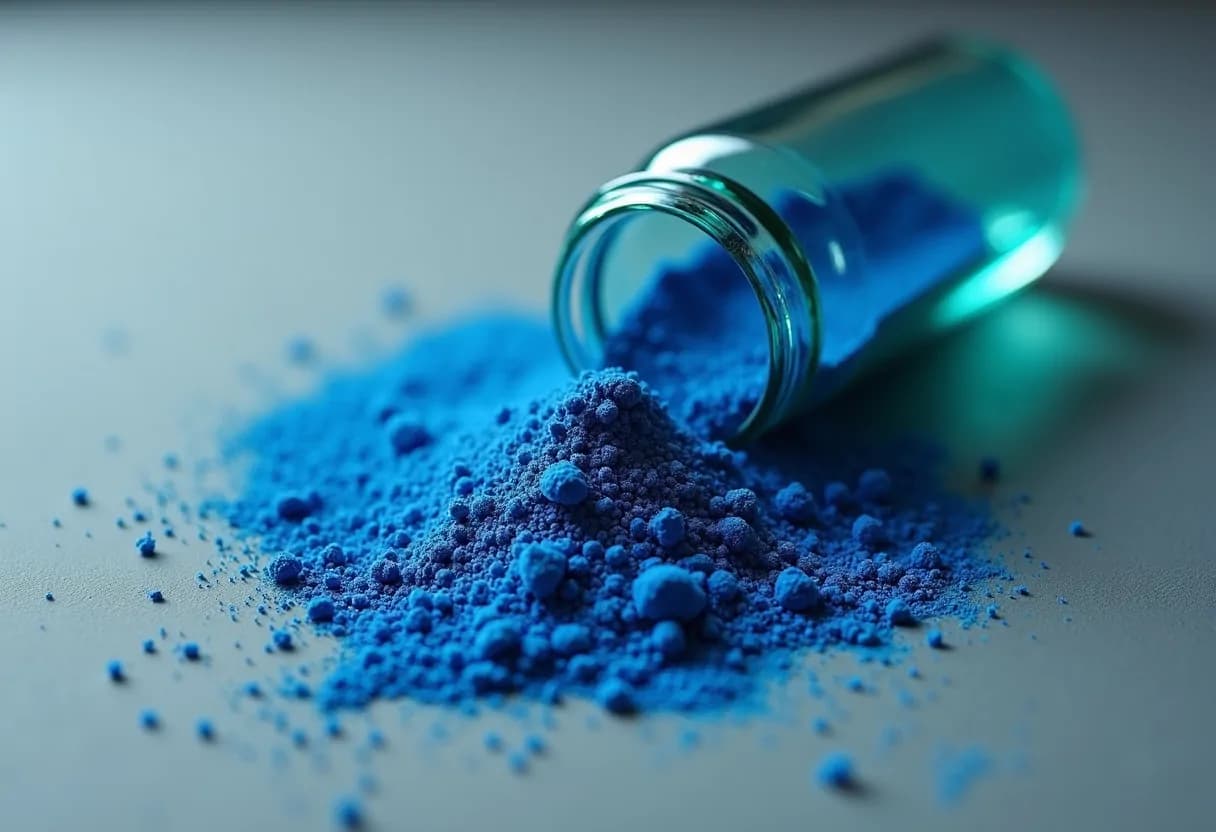 6 min readGHK-Cu: The Copper Tripeptide, and Why the Copper Is the Difficult PartA three-residue peptide bound to a copper ion, and the copper is what makes it interesting and awkward in equal measure. Covers the complex, why the blue colour is diagnostic, the analytical complications, and what the certificate needs to report.Read the guide →
 7 min readGrowth Hormone Secretagogues: GHRH Analogues and Ghrelin Receptor AgonistsA large, frequently conflated group covering two mechanistically distinct families. What separates a GHRH analogue from a ghrelin receptor agonist, why the two are studied in combination, and what DAC modification actually changes.Read the guide →
 7 min readMitochondrial Peptides: MOTS-c, Humanin and SS-31Three compounds grouped by organelle rather than by mechanism, and two of the three belong to a genuinely distinct class. Covers mitochondrial-derived peptides, what makes SS-31 structurally different, and the analytical quirks of each.Read the guide →
 6 min readMelanocortin Peptides: Receptor Subtypes and Why Selectivity Is the Whole StoryA small family where the compounds differ less in structure than in which of five receptor subtypes they prefer. Covers the MC1R through MC5R map, where the common analogues sit on it, and what that implies for research design.Read the guide →
 6 min readSemax and Selank: Two Peptides From the Same Research TraditionTwo compounds built on the same structural trick, from the same research programme. Covers what each derives from, why both end in Pro-Gly-Pro, what the amidate and N-acetyl variants change, and why they are so often sold as sprays.Read the guide →
 6 min readBioregulator Peptides: Very Short Sequences and a Contested Evidence BaseA distinct group built on an unusual premise: that very short tissue-specific sequences act as regulatory signals. Covers what these compounds are, why their length makes them analytically straightforward and commercially cheap, and an honest account of the evidence.Read the guide →
 7 min readGonadorelin, Kisspeptin, Oxytocin and HCG: Four Very Different MoleculesFour compounds filed together by physiology and sharing almost nothing chemically. Covers the signalling hierarchy that connects them, why oxytocin is structurally a near-twin of vasopressin, and why HCG is measured in international units rather than milligrams.Read the guide →
Quality & testing
11 guides 6 min readWhy Peptide Testing Matters: HPLC, Sterility & Endotoxin ExplainedPurity is only part of the story. Here's what HPLC, mass spectrometry, sterility, endotoxin (LAL), heavy metals, and net peptide content each prove — and the risk each test controls for clinics.Read the guide →
 6 min readHow to Read a Peptide COA: A Clinic's GuideA clinic's guide to reading a peptide Certificate of Analysis (COA) — what HPLC purity, mass spec, sterility, endotoxin, heavy metals, and net peptide content actually tell you, plus the red flags to watch for.Read the guide →
 8 min readHPLC Purity Explained: What ≥99% Measures, and What It Does NotA purity percentage on a certificate is an area measurement from a chromatogram, not a statement about mass. This explains how reversed-phase HPLC produces that number, which impurities it separates, which ones it hides, and what to look for on the trace itself.Read the guide →
 7 min readMass Spectrometry and Peptide Identity: Proving What Is in the VialChromatographic purity says how much of one thing is present. Mass spectrometry says whether that thing is the compound on the label. This covers electrospray ionisation, charge states, mass accuracy, and the substitutions that an intact-mass measurement cannot detect.Read the guide →
 7 min readEndotoxin Testing Explained: LAL, USP ⟨85⟩ and What EU/mg MeansEndotoxin is a bacterial cell-wall fragment that survives sterilisation, so a sterile lot can still carry it. This explains the LAL assay and its recombinant alternative, the three method formats, what an EU/mg figure means, and the controls that make a result trustworthy.Read the guide →
 6 min readSterility Testing vs Sterile Filtration: What Each One ProvesOne is a manufacturing step and the other is a release test, and they are not interchangeable. This explains 0.22 micron filtration, the USP ⟨71⟩ sterility test, the statistics that limit what any sterility test can demonstrate, and why aseptic process control carries most of the weight.Read the guide →
 7 min readHeavy Metals and Residual Solvents: The Two Tests Buyers SkipPurity and identity get the attention; elemental impurities and leftover process solvents get skipped. Both are introduced by manufacturing rather than by the molecule, which is exactly why they vary between suppliers. Covers ICP-MS, USP ⟨232⟩/⟨233⟩, ICH Q3C solvent classes and the TFA counterion question.Read the guide →
 7 min readThird-Party Testing and ISO/IEC 17025: What Accreditation Actually MeansThird-party tested is a phrase, not a standard. Accreditation is specific to named methods on a published scope, and a laboratory accredited for one assay is not thereby accredited for another. How to check what a claim covers, and how it differs from ISO 9001 and GMP.Read the guide →
 9 min readReading a Certificate of Analysis Line by LineFourteen fields, three of which are routinely misread. What each line measures, what it cannot measure, and the order to read them in.Read the guide →
 7 min readWhat a Certificate of Analysis Does Not Test ForA certificate reports its scope and stops. Five things most buyers assume are on it, usually are not, and what each absence actually costs.Read the guide →
 8 min readCounterfeit and Mislabelled Research Material: What to CheckMost bad material is mislabelled rather than faked. Seven checks, ordered by how much each one proves, and the one that settles it.Read the guide →
Handling & stability
9 guides 7 min readNet Peptide Content: Why 10 mg on the Label Is Not 10 mg of PeptideA vial labelled 10 mg contains 10 mg of lyophilised solid, and solid is not the same as peptide. Water, counterions and salts make up the difference. This explains gross versus net content, amino acid analysis, and why two suppliers at the same purity can deliver different amounts of compound.Read the guide →
 6 min readLyophilisation Explained: Why Research Peptides Ship as PowderFreeze-drying is not simply removing water; it is removing water without passing through the liquid phase. This covers the three stages of the cycle, what the cake's appearance reveals about it, bulking agents, and why the dry state suppresses degradation rather than stopping it.Read the guide →
 7 min readReconstitution Solvents Compared for Laboratory UseThe diluent chosen for a laboratory preparation affects solubility, stability and how long the solution remains usable. Compares sterile water, bacteriostatic water and dilute acetic acid, with the solubility problem that trips up hydrophobic sequences.Read the guide →
 8 min readHow Peptides Degrade: Oxidation, Hydrolysis, Aggregation and LightDegradation is not a single process but four distinct chemistries, each with its own trigger and its own signature on an assay. Knowing which residue is vulnerable to which pathway explains why storage guidance differs by compound rather than being one universal rule.Read the guide →
 6 min readFreeze-Thaw Cycles and Aliquoting: Protecting a Reconstituted VialEvery freeze-thaw cycle concentrates the solution, shifts its pH and creates ice interfaces. Aliquoting converts that repeated stress into a single event. Covers why cycling damages material, how to aliquot properly, and the labelling that makes a frozen rack auditable.Read the guide →
 7 min readResidual Moisture: The Test Most Certificates Leave OutWater stays behind after freeze-drying, it is invisible, and it changes how long a vial keeps. Why the number is rarely reported and what follows from that.Read the guide →
 6 min readRetest Dates and Expiry Dates Are Not the Same ThingOne ends a claim, the other schedules a question. Which one research material carries, where the date comes from, and what to do when it arrives.Read the guide →
 7 min readVial Closures: Stoppers, Crimp Seals and CoringThe closure is half the container and the half that gets used. What it is made of, why vials are backfilled, and why entries matter more than time.Read the guide →
 6 min readLight Sensitivity: Which Compounds Need Amber GlassWhich structures are actually photosensitive, what amber glass blocks, and why a dark drawer usually beats specifying a coloured vial.Read the guide →
Peptide science
7 guides 5 min readPeptide or Protein? Where the Line Sits and Why It MovesA question with no exact answer and a useful approximate one. Covers the conventional residue cutoff, why folding rather than length is the real distinction, and the practical consequences for synthesis, analysis and storage.Read the guide →
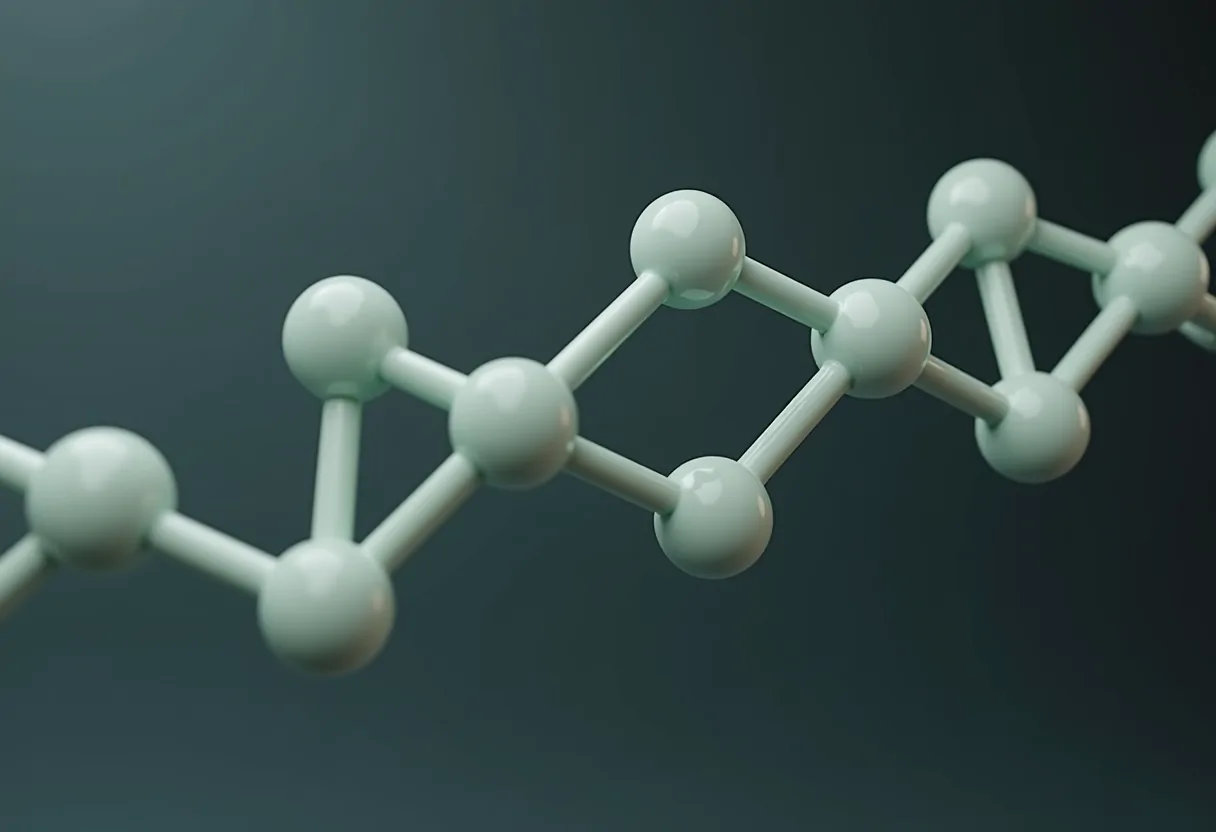 6 min readReading Peptide Nomenclature: Sequences, Fragments and ModificationsProduct names are trade names; sequences are the actual identity. Covers the one and three-letter codes, which direction a sequence is written in, what bracketed fragment ranges mean, and how modifications and D-amino acids are notated.Read the guide →
 6 min readWhy Some Peptides Resist Dissolving, and What to Do About ItSolubility is predictable from the sequence more often than it looks. Covers how to estimate net charge, why the isoelectric point is where things go wrong, what cloudiness actually indicates, and a sensible order of attempts for a difficult compound.Read the guide →
 6 min readNot Everything in a Peptide Catalog Is a PeptideA working catalog contains nucleotide coenzymes, small molecules, glycoproteins and one genuinely unusual peptide. Which items are which, why it matters for reading a certificate, and the specification fields that simply do not apply to a non-peptide.Read the guide →
 8 min readReconstitution Arithmetic: Volume, Concentration and MolarityThree calculations, one of which is almost always done from the wrong number. Worked through, with the unit error that causes most of the trouble.Read the guide →
 7 min readMolecular Weight: Why the Number on the Certificate MattersThe mass on a certificate is predictable from the sequence. How to check it in two minutes, and the two reasons a correct number looks wrong.Read the guide →
 7 min readTFA and Acetate Salt Forms: The Mass You Are Not BuyingNearly every research peptide is a salt. Where the counter-ion comes from, how much of the powder it accounts for, and when it actually matters.Read the guide →
Formats & presentation
7 guides 6 min readBlends and Single Vials: What a Combination Product Costs You in DocumentationFixed combinations are convenient and they cost something real in analytical clarity. What a single purity figure for a two-component vial actually tells you, what a blend certificate should report instead, and when separate vials are the better purchase.Read the guide →
 6 min readNasal Sprays and Liquid Formats: What Changes When It Is Not a PowderA solution is not a vial of powder with water added at the factory. Covers why the documentation changes shape, what preservative systems are there for, why the supported shelf life is shorter, and what a metered format has to prove.Read the guide →
 5 min readDissolvable Strips: Content Uniformity Is the Whole SpecificationA thin-film format where the analytical problem is entirely different from a vial. Covers what the matrix is made of, why per-unit content variation is the specification that matters, and what a strip product has to demonstrate that a powder does not.Read the guide →
 9 min readBuying the BPC-157 and TB-500 Blend: What a Combination Costs in DocumentationOne vial, two compounds, and a certificate that has to answer twice as many questions. What to require before ordering a combination product.Read the guide →
 9 min readBuying NAD+: Vial, Spray and Dissolving Strips ComparedOne compound, three formats, three different specifications. What each certificate reports and which format suits which use.Read the guide →
 9 min readBuying CJC / Ipamorelin and Tesamorelin / Ipamorelin BlendsTwo blends pairing different receptor routes in one vial. What a combination certificate has to establish, and what the fixed ratio costs you.Read the guide →
 8 min readBuying the Semax and Selank Blend: Two Short Peptides, One VialA shared origin does not make two peptides behave alike. What a combination certificate has to establish, and what changes at this chain length.Read the guide →
Logistics & records
4 guides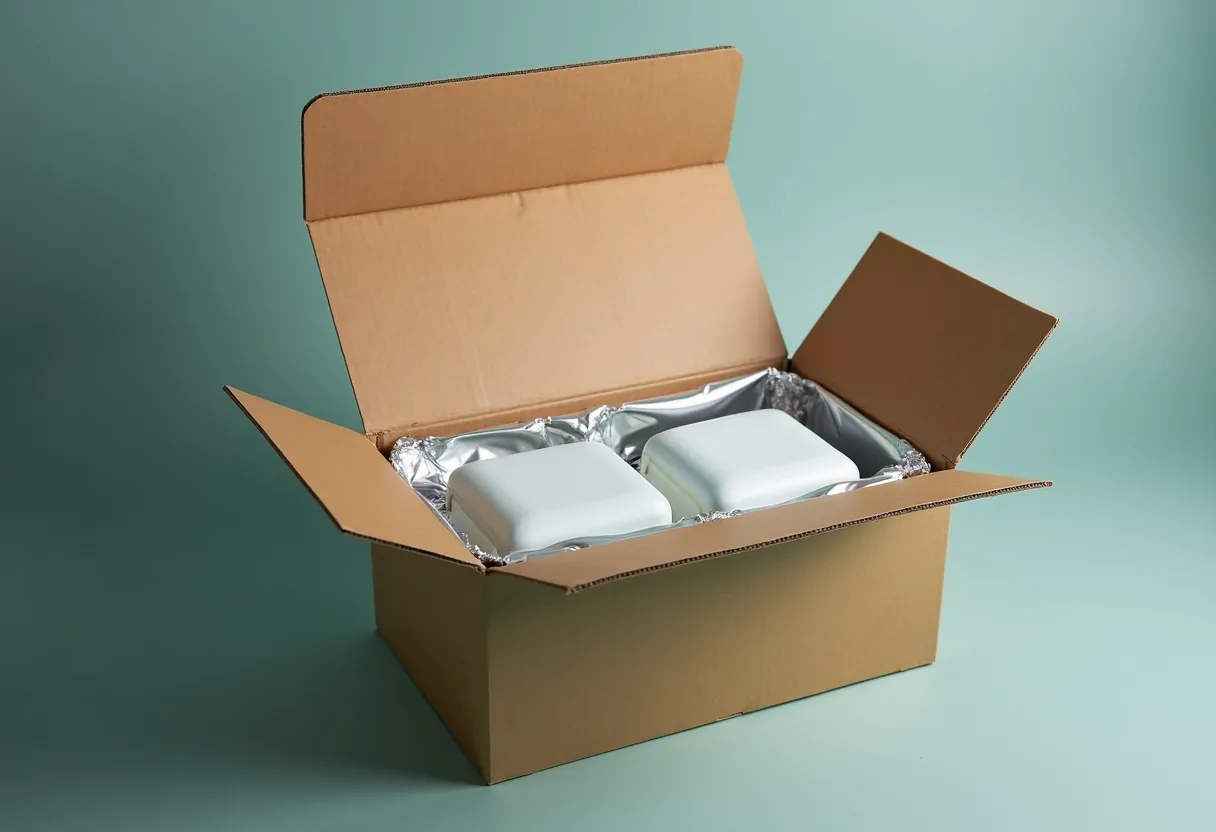 7 min readCold Chain for Peptide Shipments: What to Check When the Box ArrivesA shipment that arrives warm is not automatically compromised, and one that arrives cold is not automatically fine. This covers how shipping packs are designed, what a temperature indicator actually records, and how to assess an excursion instead of guessing.Read the guide →
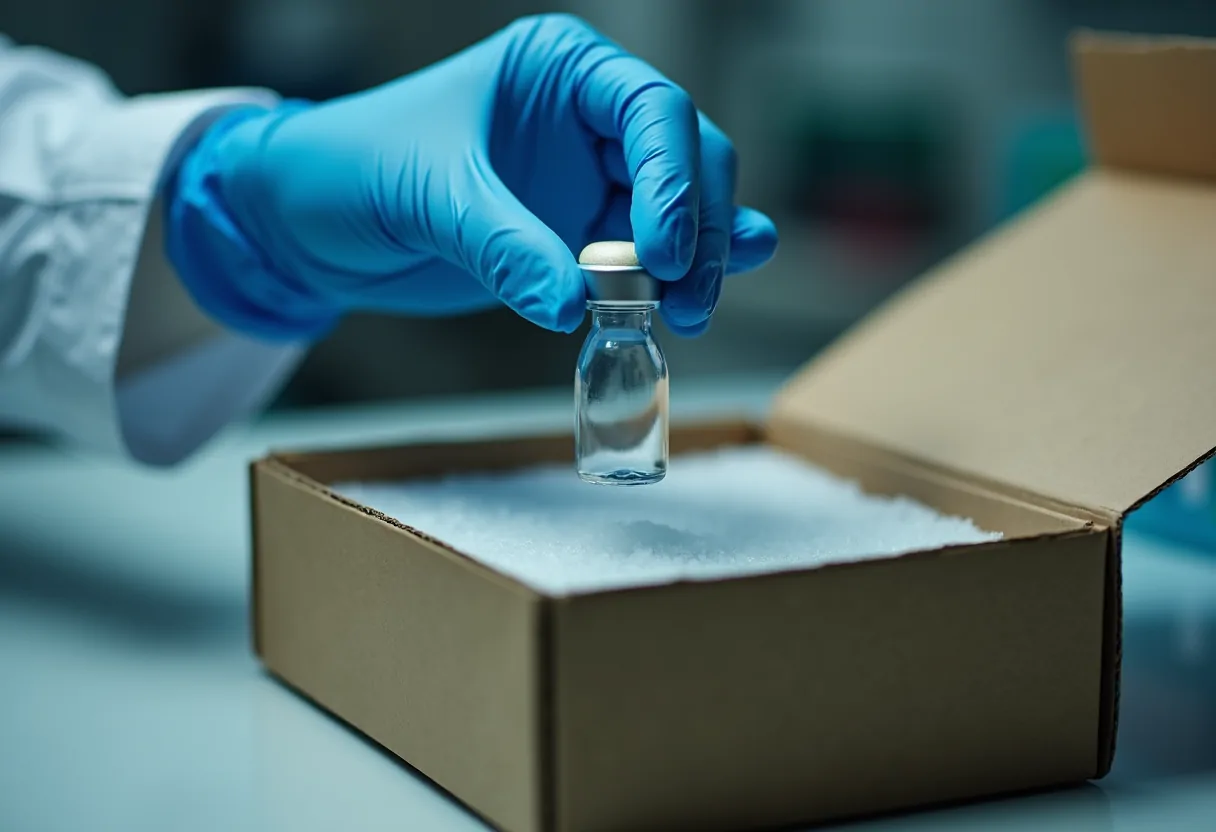 6 min readReceiving and Inspecting a Peptide Shipment: A Ten-Minute ProtocolMost receiving problems are found in the first ten minutes or not at all, and discrepancy windows are short. A sequenced protocol for checking the carton, the documentation, the vials and the lot numbers, with the four things worth photographing.Read the guide →
 7 min readLot Traceability and Recordkeeping for Research MaterialsA lot number is the key that links a vial, its certificate, its storage history and the work it was used in. This covers what a traceable record contains, where chains typically break, and how to run the reverse lookup that matters when a question arises later.Read the guide →
 7 min readWhen a Shipment Arrives Warm: Assessing a Temperature ExcursionA warm box is not automatically a lost shipment. How to assess the excursion, what to record in the first ten minutes, and who decides.Read the guide →
Sourcing & manufacturing
3 guides 8 min readSolid-Phase Peptide Synthesis Explained for BuyersUnderstanding how a peptide is assembled explains most of what appears on its certificate. This walks the cycle from resin to cleavage, shows why crude purity falls with chain length, and names the impurities that synthesis itself creates.Read the guide →
 7 min readLot-to-Lot Consistency: Why Two Vials of the Same Compound DifferA specification is a floor, not a value. Two lots that both meet ≥99% can differ in actual purity, impurity profile, counterion content and residual moisture. This explains where that variation comes from and how to stop it contaminating a comparison.Read the guide →
 7 min readDomestic and Overseas Peptide Synthesis: What Actually ChangesOrigin is used as a proxy for quality, and it is a poor one. The chemistry is the same everywhere; what genuinely differs is transit exposure, auditability, lead time and recourse. An honest account of which differences are real and which are marketing.Read the guide →
Compliance
4 guides 7 min readResearch Use Only: What the Designation Means and the Obligations It CarriesResearch use only is a statement about intended use, and intended use is established by how a product is labelled, described and sold. This explains what the designation means for a supplier and a buyer, and why promotional language can change a product's regulatory character.Read the guide →
 8 min readAuditing a Peptide Supplier: A Pre-Order ChecklistMost of what distinguishes suppliers is visible before the first order, if the right questions are asked in the right order. A structured evaluation across documentation, analytics, manufacturing, logistics and commercial terms, with the answers that should end a conversation.Read the guide →
 7 min readWho Can Purchase Research-Use-Only MaterialEligibility turns on who is buying and what for, not on holding a particular licence. What actually qualifies a purchaser, and what a supplier is checking.Read the guide →
 7 min readRecords to Keep for Research Material PurchasesSix records, one of which everything else depends on. What to keep, how long, and the gap that makes the rest unusable.Read the guide →
Operations
9 guides 6 min readPeptide Inventory Planning for ClinicsHow clinics plan peptide inventory to avoid stockouts and overstock — demand forecasting, lead times and safety stock, lot rotation and re-test dates, and choosing a supplier that keeps core catalog in stock.Read the guide →
 6 min readPeptide Storage & Handling for ClinicsHow clinics should store and handle peptides to protect integrity — cold chain in transit, lyophilized vial storage, light and temperature control, labeling, and lot documentation.Read the guide →
 7 min readBuilding a Research Peptide Formulary for a PracticeA formulary is a deliberate decision about what is stocked, in what quantity and from whom, rather than an accumulation of past orders. Covers segmenting core from occasional items, sizing against storage and stability, supplier concentration, and a review cadence that keeps it honest.Read the guide →
 6 min readStorage Equipment and Monitoring for a Peptide ProgramThe equipment decisions that determine whether stored material is still what the certificate says. Covers why frost-free cycling is a problem, what a monitoring system should actually record, alarm design, and what happens when the power fails.Read the guide →
 6 min readWriting an SOP for Peptide Receipt and StorageMost procedures fail because they describe intentions rather than decisions. A practical structure for a receipt and storage SOP, what each section has to contain to be usable, and the common mistakes that make one ceremonial.Read the guide →
 5 min readLabeling and Identification: Keeping a Vial Traceable After It Leaves the BoxSupplier labels cover the vial as shipped. Everything after that — aliquots, reconstituted stock, secondary containers — is the practice's own responsibility, and it is where traceability most often fails.Read the guide →
 5 min readDisposal and Waste Handling for Research MaterialsExpired, failed and surplus material has to leave the building somehow, and the record of how matters as much as the method. Covers stream segregation, what governs the decision, and why disposal belongs in the traceability record.Read the guide →
 7 min readInventory Levels and Reorder Points for a Peptide FormularyReorder points for material that degrades and takes weeks to arrive. The arithmetic, and why buying ahead is not the saving it looks like.Read the guide →
 7 min readChain of Custody for Research Material Inside a PracticeCustody is a sequence of named handovers, not a locked door. The four points where it breaks, and the lightest control that holds each.Read the guide →
Wholesale buying
15 guides 6 min readWhite-Label Peptides: How Clinics Build Their Own BrandHow white-label and blind-ship peptide fulfillment works for clinics — what can be branded, how margin and pricing control work, and what to look for in a white-label peptide partner.Read the guide →
 6 min readWholesale Peptides for Clinics: A Buying GuideA practical guide to sourcing wholesale peptides for clinics, med spas, and longevity and functional-medicine practices — what to evaluate on quality, testing, fulfillment, white-label, and compliance.Read the guide →
 6 min read9 Questions to Ask Before Choosing a Wholesale Peptide SupplierBefore you choose a wholesale peptide supplier for your clinic, ask these nine questions about testing, COAs, manufacturing, fulfillment, and support. A practical due-diligence checklist.Read the guide →
 7 min readWhat Research Peptides Cost, and Where the Money Actually GoesPrices for the same compound can differ several-fold between suppliers. Covers the five real cost drivers, which price gaps reflect a genuine difference in what you receive, and how to compare two quotes on a basis that means something.Read the guide →
 7 min readHow to Read a Wholesale Peptide QuoteA quote is four numbers, and the unit price is the least informative of them. What the other three are, and the costs that never appear on the page.Read the guide →
 6 min readMinimum Order Quantities: Why They Exist and How to Work With ThemA minimum is a manufacturing fact before it is a commercial one. What drives it, when it moves, and how to meet one without buying material you will not use.Read the guide →
 6 min readPayment Terms, Credit and Opening a Wholesale AccountTerms are a price, not a courtesy. What prepayment, net-30 and a credit line each cost a buyer, and what a supplier is deciding when they offer one.Read the guide →
 8 min readComparing Suppliers on Documentation Rather Than PricePrice is the easiest thing to compare and the least informative. A practical way to score what a supplier documents, and what each gap actually exposes.Read the guide →
 6 min readWhat a Wholesale Account Application Asks For, and WhyEvery field exists for a reason, and most delays come from three of them. What a supplier is establishing, and how to clear an application first time.Read the guide →
 9 min readBuying Tirzepatide: Vial Sizes, Certificates and What to CheckSeven strengths, one molecule, and a certificate that should say the same things whichever you buy. How to size a vial and what to check before ordering.Read the guide →
 9 min readBuying Retatrutide: Strengths, Documentation and HandlingA triple agonist across five strengths. What a certificate has to establish for a long modified peptide, and how to size a vial against actual consumption.Read the guide →
 9 min readBuying Semaglutide: What Actually Varies Between SuppliersThe molecule is the same wherever you buy it. What differs is documentation, and that is the axis worth comparing on.Read the guide →
 9 min readBuying BPC-157: Strengths, Certificates and Supplier ChecksA short, easily made sequence that almost everyone lists. That is exactly why the documentation question matters more here than the price.Read the guide →
 8 min readBuying TB-500: Confirming Which Molecule You Are BuyingTwo names used interchangeably for materials of substantially different mass. One number settles which one a supplier is actually selling.Read the guide →
 8 min readBuying GHK-Cu: Reading a Certificate for a Copper ComplexThe copper is a constituent, not an additive, which changes the arithmetic on the certificate and the solvent you can safely use.Read the guide →
All products are supplied strictly for laboratory research and development purposes. They are not for human or veterinary use and are not intended to diagnose, treat, cure, or prevent any disease or medical condition.